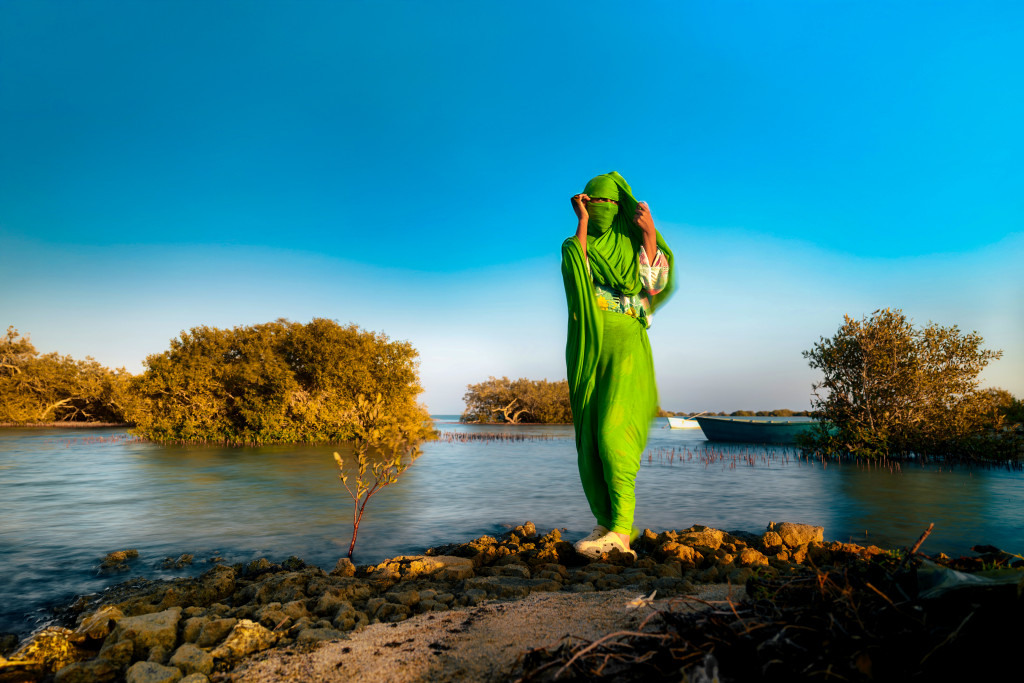
In Marsa Alam's Wadi El Gemal National Park, women are leading a community-based mangrove rehabilitation effort. The grey mangrove (Avicennia marina) — Egypt's most widespread mangrove species — faces threats from coastal development, pollution, and climate change . But here, a pilot restoration project achieved over 80% seedling survival one year after planting . Each seedling helps rebuild a vital ecosystem that stores 3 to 7 thousand tonnes of CO₂ equivalent per hectare — making mangrove soils some of the most carbon-dense natural habitats on Earth . As of early 2026, similar community-led efforts along Egypt's Red Sea coast have restored approximately 5 hectares and planted over 42,000 seedlings . This work supports local fisheries, protects coastlines, and empowers women with sustainable livelihoods — one seedling at a time.